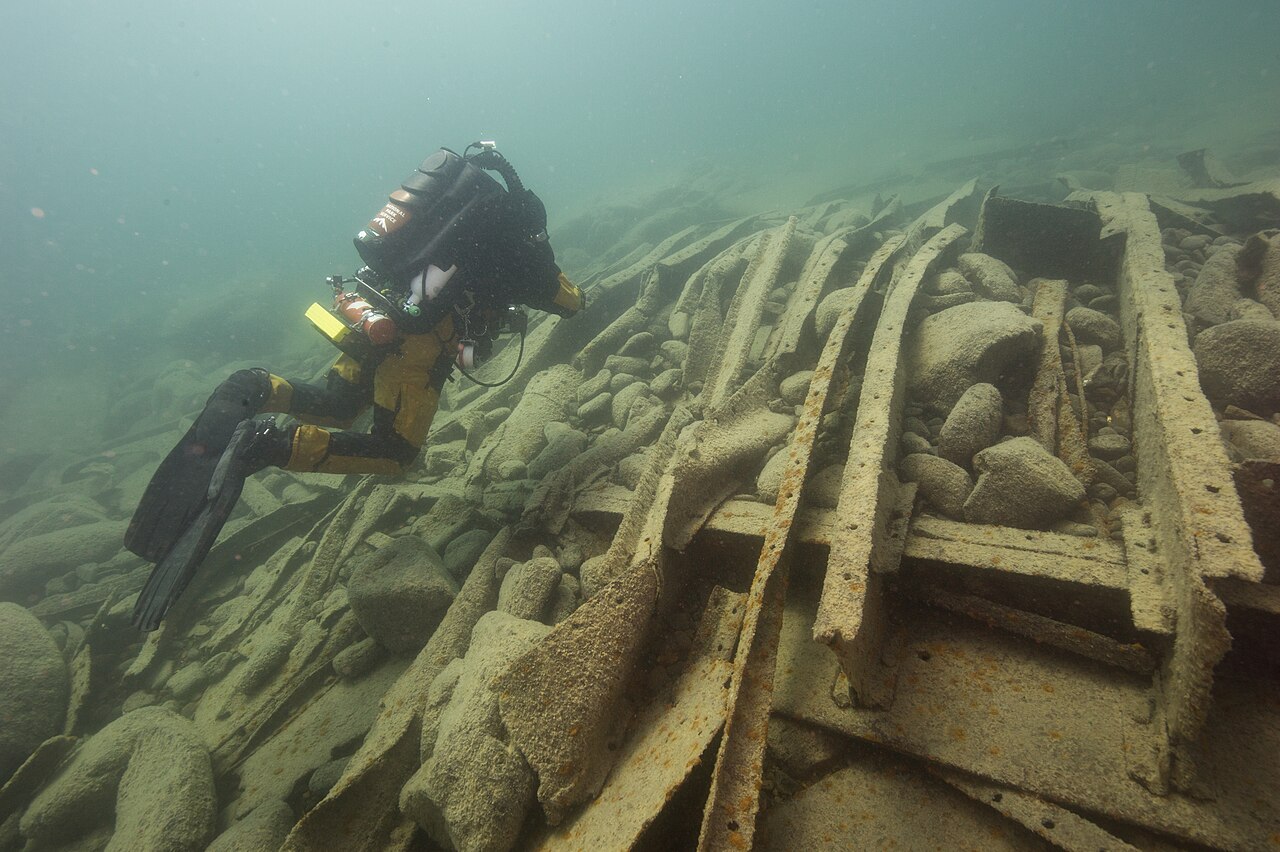
Scuba diving is rewarding when you respect the basics. These tips apply whether you are trying Discover Scuba or joining experienced divers on a wreck.
Be honest on the medical form
Conditions such as asthma, heart issues, or recent surgery may require a physician’s approval. Never hide medical history to get in the water — your safety comes first.
Follow no-fly and surface intervals
Flying too soon after diving increases decompression risk. Plan at least 18–24 hours on the surface after your last dive before boarding a plane, or follow your computer and instructor guidance.
Listen to the briefing
Every site has currents, boat traffic, and entry/exit procedures. Stay with your guide or buddy, watch your air and depth, and signal early if something feels wrong.
Choose operators who brief and brief again
A professional shop like the BIGBLUE DIVERS demo emphasises equipment checks, maximum depths, and emergency plans. When you explore this sample website, notice how trip pages describe inclusions, difficulty, and what guests should expect — that transparency is part of safe diving culture.
Questions?
Use the Contact page on this demo site to see how travellers reach an operator. In a live workspace, that form goes to the shop’s inbox.
Dive Safety Tips Before You Book
Medical fitness, no-fly times, buddy habits, and how operators keep day trips and courses low-risk.
June 15, 2026